Professional growers choose growing media according to crop use, structure, composition, irrigation, packaging and whether the material will be used directly or mixed locally.
- A growing medium is part of the crop production system, not only a product name.
- Buyers should first decide whether they need raw peat moss, a base composition, a grower mix or a finished crop-specific product.
- Structure, composition, crop stage, container, irrigation and production duration all influence the right product choice.
- A realistic commercial trial should reproduce the intended crop, container, water, filling method and fertilizer program before larger volumes are ordered.
For professional growers, choosing a growing medium is part of designing the crop production system. It influences filling, irrigation, root development, air and water balance, crop uniformity, handling, packaging and delivery planning.
The right product choice starts by defining the intended use. Some customers need raw peat moss for their own substrate production. Others need a base composition, a grower mix or a finished crop-specific growing medium.
First decide whether the material will be used directly or mixed locally.
Raw peat moss is a starting material for substrate producers and local blenders. A finished growing medium is prepared for a defined horticultural use and may include selected peat structures, pH adjustment, fertilizer, wetting agents or other components. Peat Moss pH and EC explains how buyers can compare those chemical results only when the stated method and sample context match.
For an Estonia-specific buyer guide to this choice, read Estonian Peat Moss: From Raw Material to Professional Growing Media.
These product levels should not be compared only by price per unit. They include different levels of preparation, responsibility and production work.
Raw peat moss for local recipes:
- peat structure and fraction; - moisture condition; - pH direction; - packaging and volume; - documentation and delivery planning.
A peat-based growing medium for direct use needs a different discussion. The buyer should explain the crop, container, irrigation method, production period and expected management conditions before selecting the product.
Structure should match the crop and container.
Fine structures can support uniform filling and close root contact in trays and smaller containers. Medium structures may suit more general growing media compositions. Coarser structures can support air capacity, drainage and stability in larger containers or longer production cycles.
For a technical explanation of why white, brown and black peat descriptions still need to be supported by fraction and physical data, see White Peat vs Brown Peat vs Black Peat.
Composition should have a clear purpose. Perlite, wood fiber, coir, bark, clay, fertilizer and wetting agents can change air capacity, moisture behavior, drainage, buffering or starting nutrition. The presence of one component does not automatically make a growing medium better; the full composition must fit the production system. Peat and Perlite Growing Media explains how commercial teams can evaluate perlite as part of the complete root-zone system.
Crop use changes the product choice.
Seed and propagation programs usually require uniform filling and controlled moisture in small cells. How to Choose Seedling Mixes for Uniform Germination explains how teams can assess those propagation conditions before a larger commitment. Vegetable production may require balanced root development, water management and crop uniformity through the production cycle. Blueberry programs need an acidic root-zone direction, suitable structure, drainage and careful water management. Pot plants and nursery crops may need more structural stability in larger containers or longer cycles.
Local substrate producers may not need a finished product at all. They may need raw peat moss with a defined structure for their own local recipe.
For a deeper explanation of physical properties and formulation choices, see Peat Substrates for Professional Growing Media. Crop-specific examples are covered in Substrate for Vegetables and Substrate for Blueberries. For herb, leafy green and lower-input programs, see Organic Growing Mixes: What Professional Growers Should Check Before Buying.
Before ordering, buyers should clarify the crop or production use, direct-use or local-mixing requirement, structure, container, irrigation water, fertilizer strategy, expected volume, packaging, destination, delivery period, documents and whether a trial is required.
Why this matters: a growing medium that looks suitable on a specification sheet may still create extra labor, uneven wetting or irrigation corrections when it is used in a different container or crop system. The buying decision should therefore connect the product specification with the actual production routine.
Common mistakes include choosing by ingredient name alone, comparing a raw material with a finished mix, ignoring water quality, ordering a packaging format that does not fit the filling line, and scaling up before a realistic trial has been reviewed. These mistakes can be avoided by defining the use case before requesting prices.
For a procurement team, a useful supplier conversation should answer four questions: what is the product designed to do, what information supports that claim, how will it be tested, and how will the same specification be supplied at the required volume and delivery window?
A growing medium should be tested under real production conditions before larger volumes are ordered. The trial should use the actual crop, container, filling method, irrigation water, fertilizer program and production period.
During the trial, observe filling behavior, first wetting, water distribution, drainage, dry-down, root development, crop uniformity, pH and EC direction, and the amount of management correction required.
A buyer example makes the distinction clear. A substrate producer ordering raw peat moss may prioritize fraction, moisture, packaging and consistency for a local recipe. A commercial vegetable grower ordering a finished medium may instead prioritize crop fit, tray or container behavior, irrigation response, documentation and delivery reliability. Both are looking for a growing medium, but they need different evidence before committing.
Packaging, storage, handling, delivery timing and documentation also influence whether a product is suitable for commercial use. This is especially important for larger-volume programs and international supply.
ASB Professional can help buyers discuss raw peat moss, peat-based growing media, grower mixes, seed and propagation mixes, vegetable growing media, blueberry substrate directions, organic compositions and products for local substrate production.
The strongest buying process is simple: define the intended use, choose the product level, match structure and composition to the crop system, confirm packaging and documentation, run a realistic trial, and then scale to larger volume.
Recommended ASB products
These products are commonly evaluated with the strategy covered in this article.
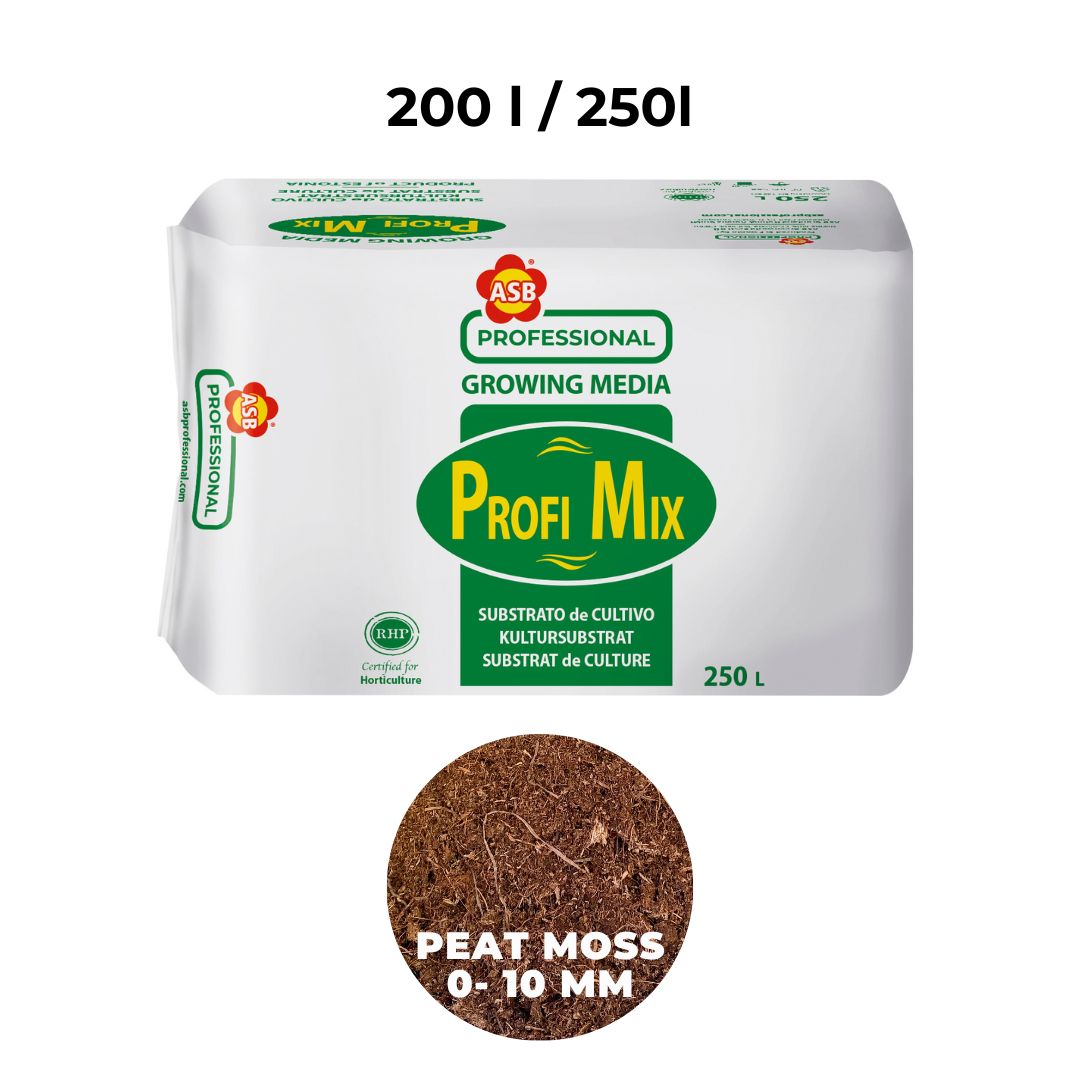
ASB Professional Substrate WP010
For buyers who prepare their own substrate recipe locally.
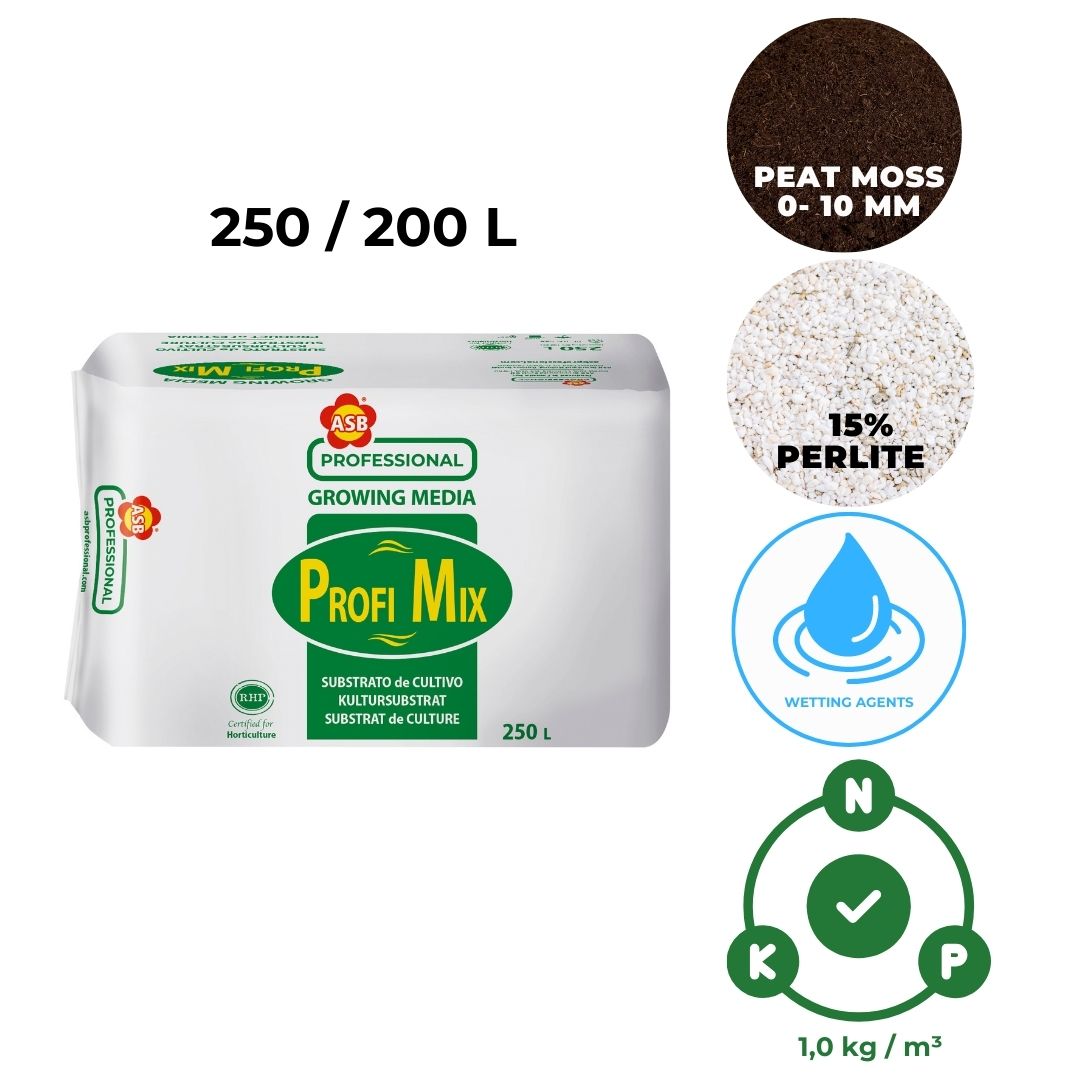
ASB Professional Substrate 0-10 Perlite
For young plants and propagation programs requiring uniform structure.
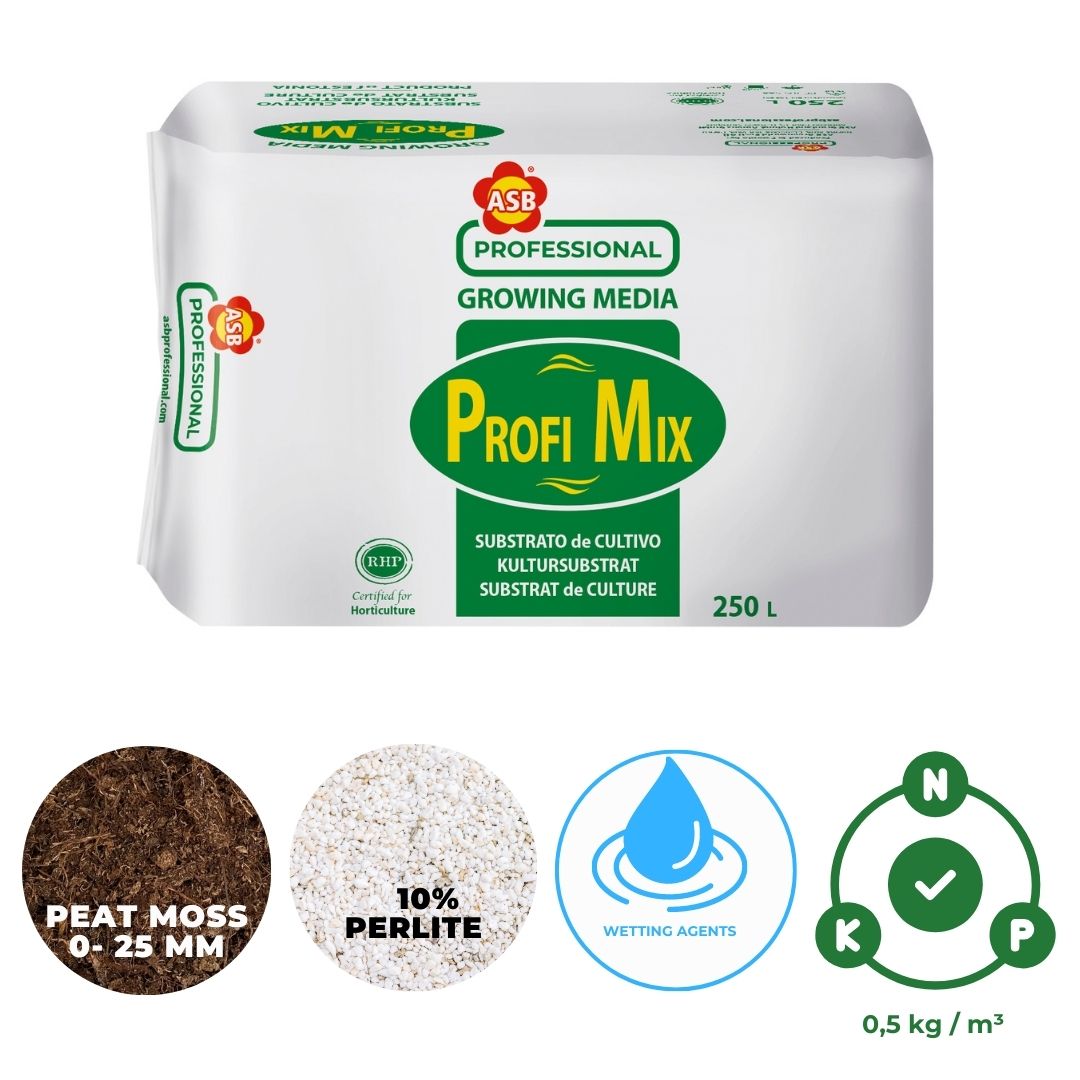
ASB Professional Substrate Mix 0-25 Perlite
For programs where added air capacity and a finished mix direction are required.
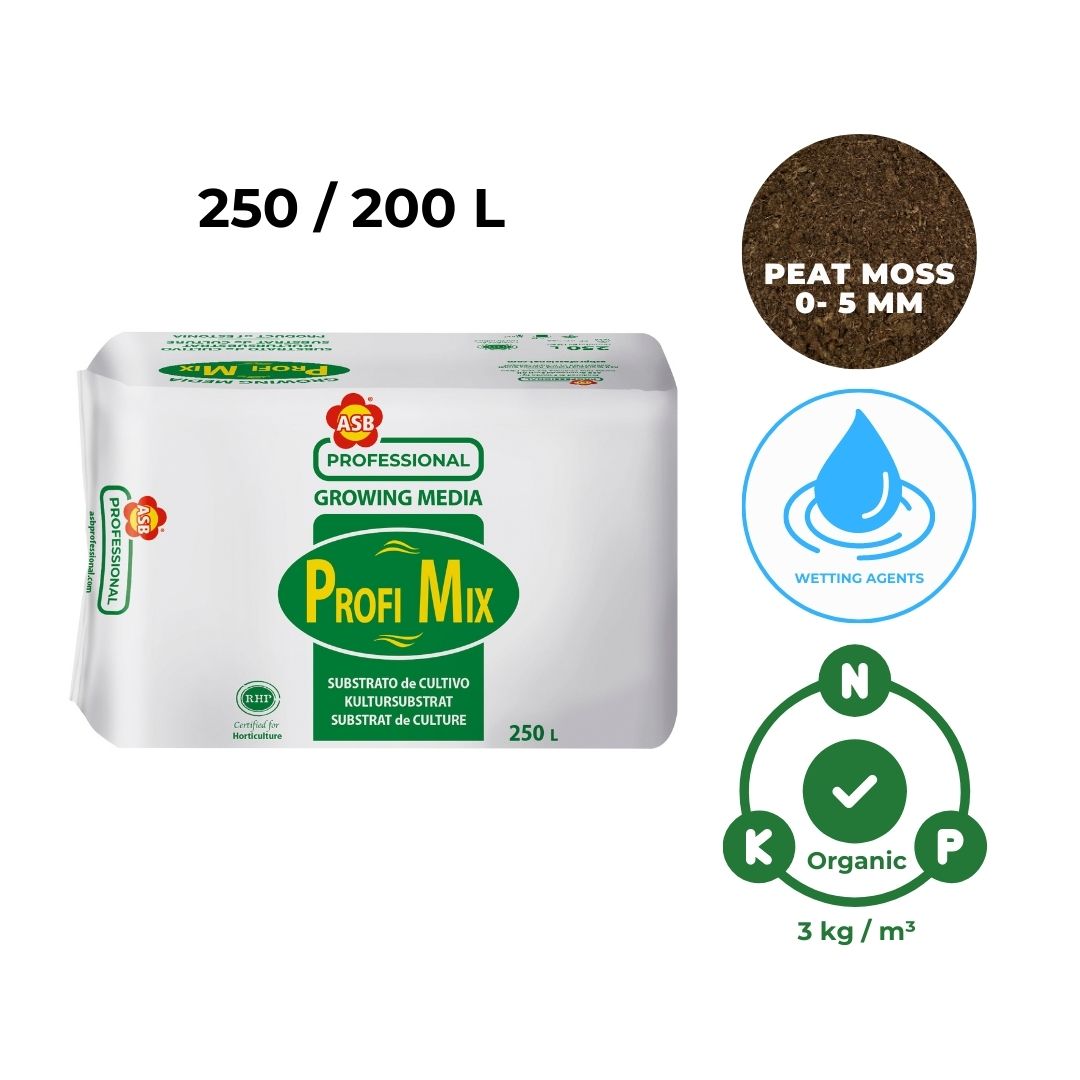
ASB Professional Substrate 05 pH
For production programs with defined organic composition requirements.
Choose the product level first
| Criteria | Product type | Typical decision |
|---|---|---|
| Raw peat moss | Starting material for local recipes | Confirm structure, fraction, moisture, pH direction and packaging. |
| Base composition | Flexible material for local adjustment | Define which components still need to be added locally. |
| Finished growing medium | Ready for direct crop use | Check crop fit, container, irrigation and production period. |
| Crop-specific medium | Propagation, vegetables, blueberries or another defined use | Confirm that physical and chemical properties fit the crop program. |
FAQ
How should professional growers choose a growing medium?
Start with the crop, container, irrigation method and intended use. Then confirm structure, composition, pH direction, packaging and whether the product will be used directly or mixed locally.
What is the difference between raw peat moss and a finished growing medium?
Raw peat moss is a starting material for further processing or local mixing. A finished growing medium is prepared for a defined horticultural use and may include adjusted pH, fertilizer, wetting agents or other components.
Why does growing medium structure matter?
Structure affects filling, air capacity, water distribution, drainage, dry-down and root-zone behavior. Fine structures often suit propagation, while coarser structures may suit larger containers or longer production cycles.
Should a growing medium be trialled before a larger order?
Yes. A useful trial should reproduce the real crop, container, filling method, irrigation water, fertilizer program and production duration so the result can be assessed under commercial conditions.
Need help selecting a professional growing medium?
Share the crop, production system, expected volume, packaging preference and destination so the team can discuss the most suitable product direction.
This article is part of the ASB Professional Blog and highlights topics across events, sustainability, and technical growing media expertise. ASB Greenworld Eesti is listed as a member of the Estonian Peat Association (Eesti Turbaliit).
It helps customers and partners follow company developments, market activity, and product-related topics.
ASB Professional Editorial Team