Commercial vegetable crops need a growing medium that supports predictable moisture behavior, root oxygen, crop uniformity, and production workflow. The right substrate for vegetables depends on crop type, irrigation strategy, container size, crop cycle, and whether the program needs a finished peat substrate or a base material for in-house blending.
- A substrate for vegetables should be matched to crop type, irrigation rhythm, container size, and crop cycle.
- Water retention and air capacity need to work together. Too much water or too little oxygen can both create production problems.
- Fine structures may support propagation and early crop work, while more open structures can support longer-cycle container vegetables.
- A peat-based substrate for vegetables can perform well when structure, wetting behavior, pH direction, and nutrition planning fit the crop program.
- Commercial teams should test a vegetable growing medium under the same filling, irrigation, and crop timing used in production.
- Larger programs should compare documentation, packaging format, technical support, and delivery planning before changing a greenhouse vegetable substrate.
Why vegetable crops need a defined substrate:
A substrate for vegetables is not just a material that fills a tray, pot, or container. In commercial greenhouse production, it becomes part of the crop system. It affects how water moves, how roots breathe, how evenly plants establish, and how much correction work the team needs during the crop cycle.
For professional growers, the useful question is not simply whether a growing medium looks good. The more important question is whether it behaves correctly under the actual production workflow: filling, irrigation, storage, crop timing, fertilizer strategy, and daily handling.
That is why vegetable substrate decisions should be made around crop performance, not only around product names. A leafy green crop, a young plant program, and a long-cycle tomato or pepper crop may all need a peat-based substrate, but they do not necessarily need the same structure or water behavior.
Water behavior is the first thing growers notice:
Most substrate problems in vegetable production show up first through water behavior. A growing medium may wet too slowly, dry unevenly, stay saturated too long, or require more correction than expected after irrigation.
For fast crop cycles, uneven moisture can quickly become uneven plant development. For longer-cycle crops, poor water movement can affect root-zone stability over time. In both cases, the grower sees the problem in production before it appears in a product description.
A good vegetable growing medium should support the planned irrigation rhythm. It should hold enough water for the crop, but not so much that the root zone loses oxygen. It should re-wet predictably, drain in a controlled way, and behave consistently across trays, pots, or containers.
Air capacity and structure decide how roots work:
Vegetable roots need water, but they also need oxygen. This is where structure and air capacity matter. A substrate that is too compact can limit oxygen movement. A substrate that is too open may dry too quickly or require a different irrigation strategy.
Fine peat structures can be useful when close contact and early establishment are important. More open peat substrates, perlite-supported mixes, or coarser structures may be better when the crop has a larger root system, a longer crop cycle, or a higher drainage requirement.
For buyers comparing peat substrates for vegetables, the important detail is not only the ingredient list. The structure has to match how the crop is irrigated, how quickly it is expected to root, and how much margin the production team has before stress becomes visible.
The goal is balance. A professional growing media program should create a root zone that fits the crop, not force the grower to correct the crop around the substrate.
Crop cycle changes the substrate decision:
Vegetable production includes very different workflows. Young plants and propagation programs need uniform tray fill, close root contact, and early moisture control. In parts of the Middle East and North Africa, a bagged fine peat product for this stage may be requested as potting soil; Potting Soil for Vegetable Seedlings explains the 0-5 mm and 0-10 mm specification details that should be agreed before a nursery order. Leafy greens and herbs often need repeatable wetting behavior and clean handling through a shorter cycle. Fruiting vegetables such as tomatoes, peppers, cucumbers, and eggplants may need more structural stability and air space over a longer production period.
That is why a general phrase like vegetable growing medium is only a starting point. The final choice should be connected to the crop cycle, container size, crop density, irrigation method, and whether the grower needs a finished substrate or a base material for internal blending.
A growing medium for commercial vegetable production also has to work for the people using it. If the substrate behaves well in a sample but creates extra filling work, inconsistent irrigation response, or packaging problems at scale, it is not a strong fit for the program.
Where peat-based substrates fit:
Peat-based substrates for vegetables remain relevant because peat can provide water holding, structure, buffering, and a workable base for different formulations. The professional value comes from how the peat is selected, screened, adjusted, blended, and matched to the intended crop.
For some vegetable programs, the right direction may be a pH-adjusted potting mix. For others, a perlite-supported substrate may provide more open root-zone behavior. Organic-positioned herbs or leafy greens may need a different formulation direction again. Larger buyers may also evaluate raw peat materials if they blend in-house.
This is why a peat-based substrate for vegetables should be reviewed as part of a production system. The same material direction can perform differently when tray size, crop time, irrigation method, storage period, or fertilizer planning changes.
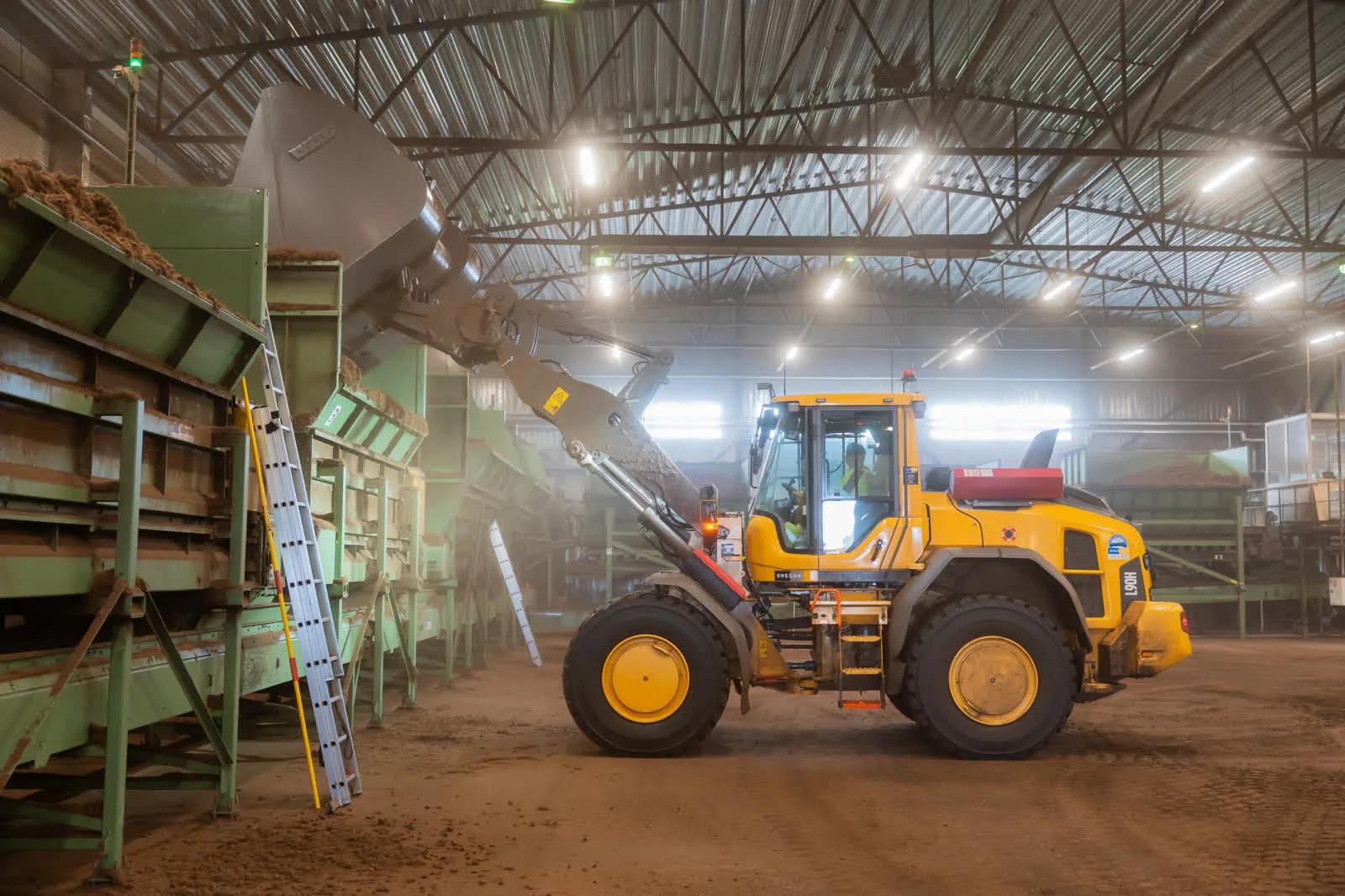
This is why product direction matters. A finished growing medium and raw peat material are not the same purchase. A finished mix should already support a defined crop workflow. A raw material gives flexibility to a blender or grower with their own formulation process.
Common problems when the substrate does not fit:
A vegetable substrate that does not fit the crop program can create practical issues that are easy to underestimate during purchasing.
- uneven wetting after filling
- poor dry-down control
- saturated roots after irrigation
- weak root development in early stages
- inconsistent tray or container fill
- more labor correction during the crop
- confusion between raw material expectations and finished mix expectations
These are not only technical problems. They become commercial problems when they affect timing, uniformity, reject rate, labor, or customer delivery.
How to test a substrate before scaling:
A practical substrate trial does not need to be complicated. It does need to reflect real production. Test the material in the same tray, pot, container, filling equipment, irrigation method, and crop timing that will be used later.
Track how the substrate fills. Check whether moisture moves evenly after the first irrigation. Watch dry-down pattern, root development, crop uniformity, and whether the team needs extra correction work. If the crop is sensitive to pH direction or nutrition strategy, include those checks in the trial.
A trial should answer one simple question: does this growing medium make the crop easier to manage at commercial scale, or does it add hidden work?
Useful trial notes include first wetting behavior, dry-down timing, root appearance, pH and EC trend, plant uniformity, rejected trays or pots, and any extra labor needed to correct uneven areas.
What larger buyers should clarify early:
For larger greenhouse programs, substrate selection is not only a grower decision. Procurement, production, logistics, and technical teams all need the same expectations.
Before buying larger volumes, clarify the intended crop, structure direction, pH range, wetting behavior, packaging format, delivery window, storage plan, documentation needs, and technical contact. If the program uses several crops, do not assume one substrate direction will fit all of them equally.
A practical request to a professional growing media supplier should include crop type, container size, irrigation method, crop cycle, expected volume, delivery timing, storage conditions, and whether the team needs product documentation before the season starts.
For example, a herb producer may ask for clean handling, predictable moisture behavior, and repeatable short-cycle performance. A tomato or cucumber operation may focus more on structure stability, air capacity, and how the substrate holds up during a longer production period.
This is also the point where buyers should decide whether they need a finished growing medium or a peat-based raw material for internal formulation. If your team needs help reviewing that choice, Contact us.
Where ASB Professional fits:
ASB Professional supports vegetable substrate discussions from several product directions. Worldwide potting mixes can support greenhouse vegetables, ornamentals, nursery production, and machine-filled programs. Perlite-supported mixes can help where more open root-zone behavior is needed. Organic mixes can support herb, leafy green, and lower-input crop directions. North America all-purpose and high-porosity grower mixes can support container vegetables and commercial greenhouse programs.
The team can also help buyers separate a finished substrate for vegetables from raw material supply for custom blending, so procurement and production teams are comparing the right type of product from the beginning.
The important point is not to push every crop into the same product. The better approach is to connect the substrate direction to crop use, irrigation rhythm, container format, and supply planning.
Practical takeaway:
The right substrate for vegetables helps growers manage water, air, roots, uniformity, and production timing with fewer corrections. It should fit the crop workflow, not only the product category.
For commercial teams, the best decision starts with the crop program. Define the crop, container, irrigation strategy, cycle length, and volume expectations. Then choose the growing medium that supports those conditions in real production.
Recommended ASB products
These products are commonly evaluated with the strategy covered in this article.
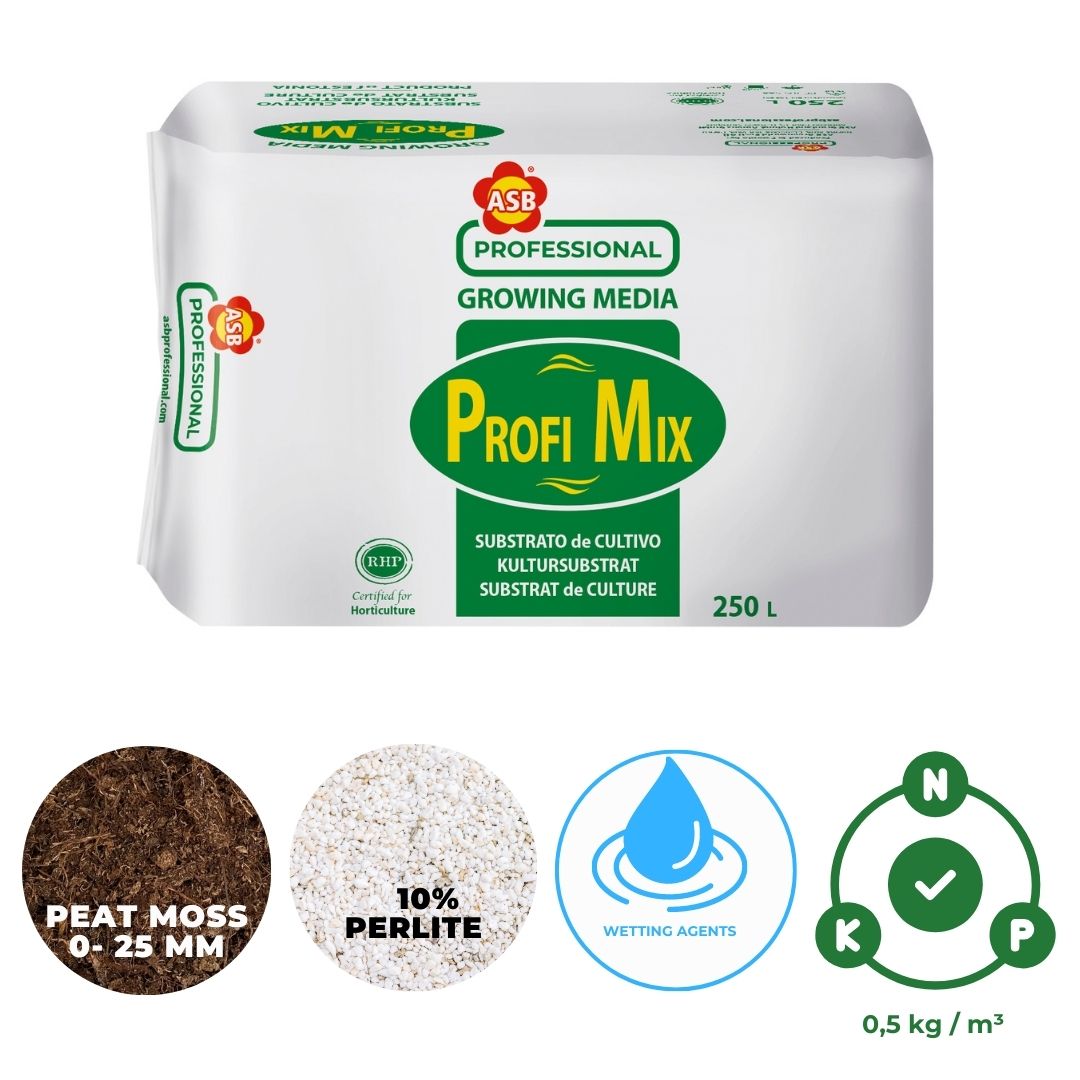
ASB Professional Substrate Mix 0-25 Perlite
A peat-based potting mix direction for greenhouse vegetables and container crops that need added aeration support.
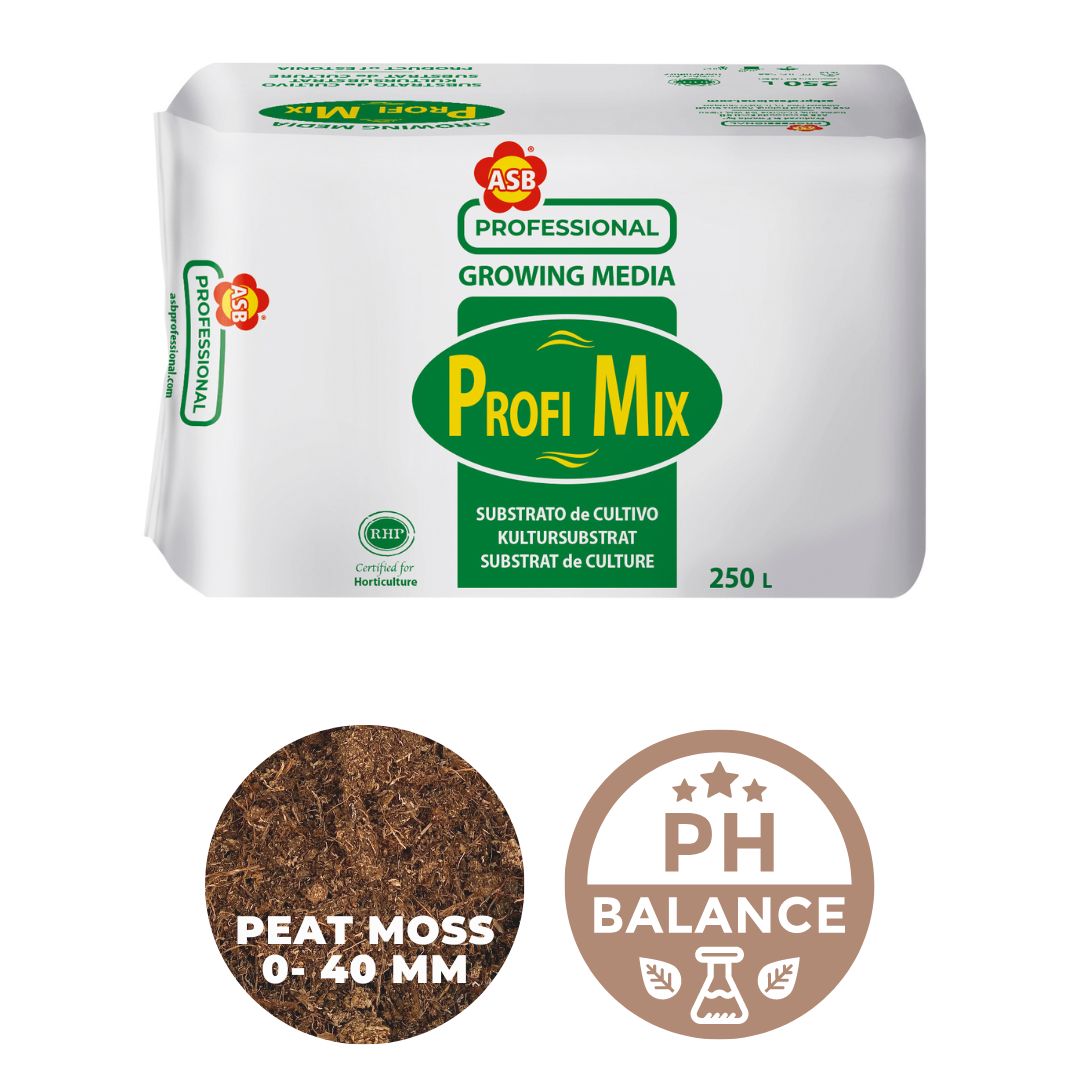
ASB Professional Substrate 0-40 pH
A stronger-structure option for longer-cycle programs, larger containers, and crop workflows where root-zone openness matters.
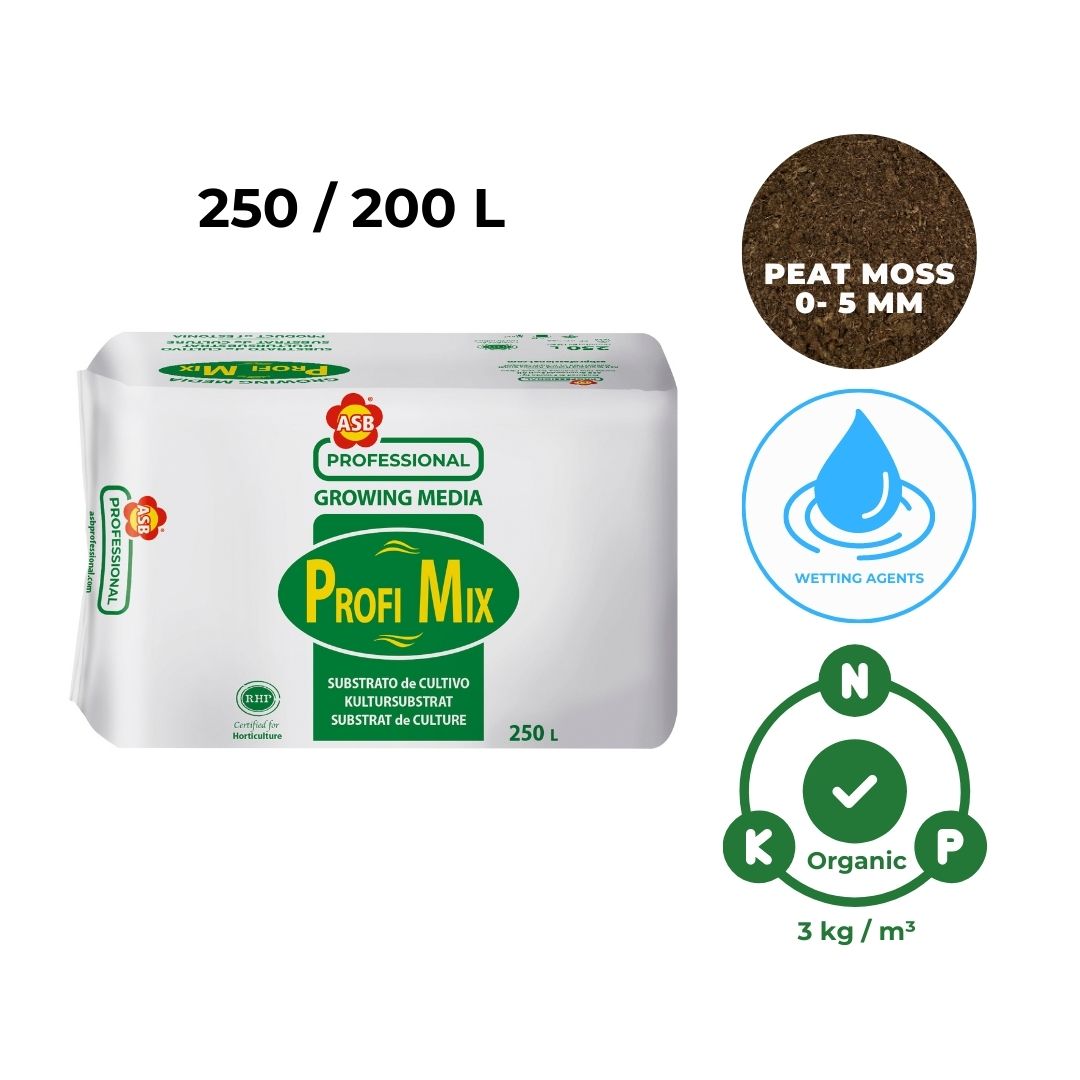
ASB Professional Substrate 05 pH
A useful reference for herb, leafy green, and lower-input vegetable programs where organic positioning and substrate behavior need to align.
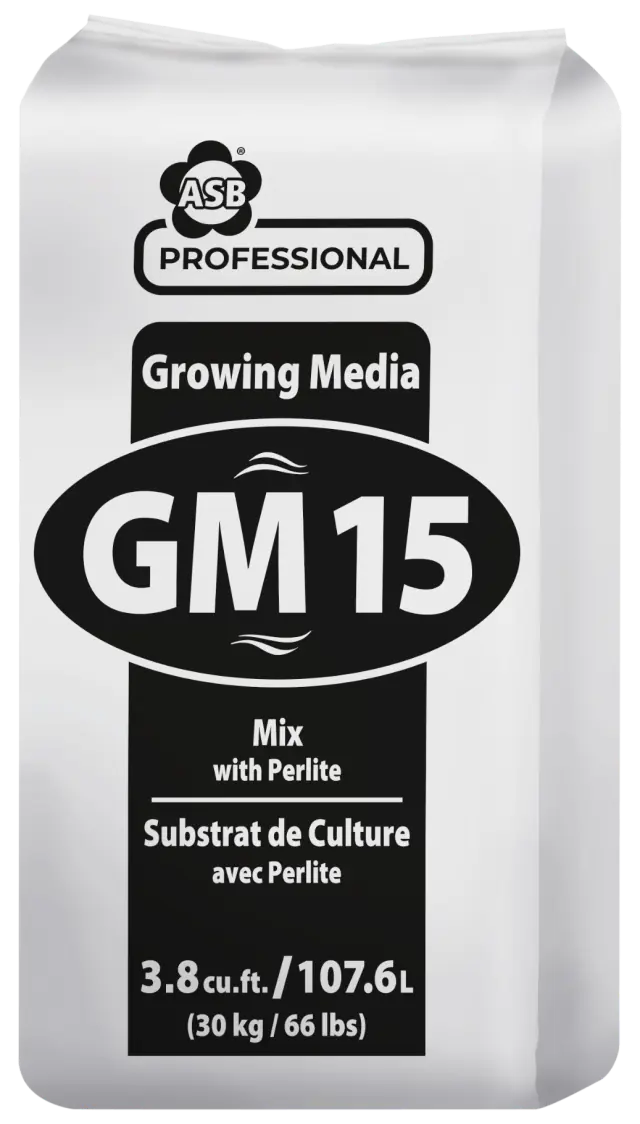
ASB Growing Mix with 15 Perlite
A formulated grower mix direction for greenhouse vegetables, general containers, and programs that need more open root-zone behavior.
How vegetable crop needs change substrate priorities
| Criteria | Production situation | Substrate priority |
|---|---|---|
| Young plants and propagation | Small cells, short crop timing, sensitive early root development. | Uniform tray fill, close seed or plug contact, controlled moisture distribution, and low correction work. |
| Leafy greens and herbs | Fast crop cycles with frequent irrigation and strong uniformity expectations. | Predictable wetting, stable structure, clean handling, and enough air space to avoid saturated roots. |
| Tomato, pepper, cucumber, and fruiting crops | Longer crop cycles, larger root systems, and higher irrigation demand. | More structural stability, drainage balance, air capacity, and a substrate that keeps behavior consistent over time. |
| Large commercial programs | Repeated filling, palletized supply, seasonal ordering, and production-team coordination. | Documented specification, packaging fit, delivery planning, and technical support before the season is urgent. |
FAQ
What is the best substrate for vegetables in greenhouse growing?
There is no single best substrate for every vegetable crop. The right choice depends on crop type, container size, irrigation rhythm, crop cycle, pH direction, and whether the grower needs a finished mix or a base material for custom blending.
Why does air capacity matter in a vegetable growing medium?
Air capacity supports oxygen flow around the root zone. If a substrate holds too much water and not enough air, roots can become stressed even when irrigation appears sufficient.
Can peat substrates be used for vegetables?
Yes. Peat substrates are widely used in vegetable production when the structure, wetting behavior, pH direction, and nutrient strategy are matched to the crop program.
Should vegetable growers test a substrate before buying larger volumes?
Yes. A practical trial should use the same tray or container, filling process, irrigation setup, crop timing, and handling conditions planned for full production.
Need help matching vegetable substrate to a crop program?
ASB Professional can help review peat-based substrate directions, crop fit, packaging, documentation, and whether a finished growing medium or a base material is the better option for your vegetable production workflow.
This article is part of the ASB Professional Blog and highlights topics across events, sustainability, and technical growing media expertise. ASB Greenworld Eesti is listed as a member of the Estonian Peat Association (Eesti Turbaliit).
It helps customers and partners follow company developments, market activity, and product-related topics.
ASB Professional Editorial Team