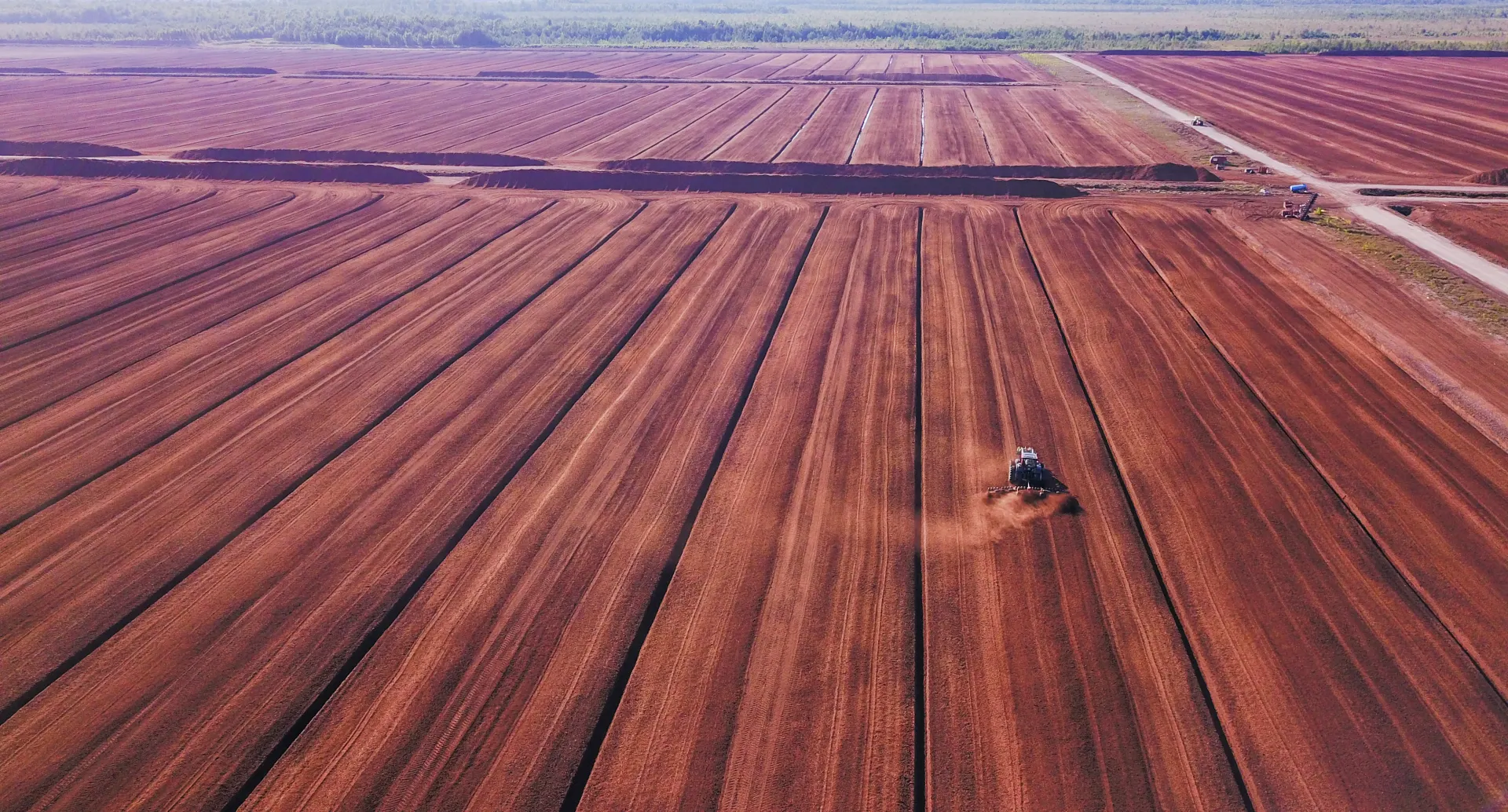
Estonian peat moss is a raw material for commercial horticulture. Its practical value depends on a defined specification, structure, intended use, packaging and supply model.
- Estonian peat moss is a commercially useful raw material, but its value depends on a defined specification, structure and intended use, not only the country of origin.
- Buyers should first decide whether they need raw peat for local blending or a finished growing medium, as each path carries different technical responsibilities and requirements.
- ASB Professional by ASB Greenworld Eesti OÜ, based at Pakketsehhi, Nurme village, Tori district, 85004 Pärnu county, Estonia, processes peat products for defined crop, packaging and supply needs rather than offering undifferentiated material.
- Larger buyers should request detailed technical specifications, including fraction, pH, EC, packaging and documents, and run a realistic trial before committing to a larger program.
Estonian peat moss is an important raw material for commercial horticulture.
Origin alone, however, does not tell a buyer whether the material will fit a crop, a local blending process, or a finished growing-medium program. Those decisions depend on the defined peat structure, product composition, intended use, packaging and supply model.
For a company looking for raw peat moss from Estonia, the first question is whether the material will be blended locally or supplied as part of a finished product. The answer changes which specification, documents and commercial support are needed.
That distinction is important for growers, substrate producers and distributors. The Baltic peat moss guide explains the wider regional and technical context. This article focuses on what Estonian peat moss means when a buyer needs to turn that context into a practical product decision.
From raw material to a defined product:
ASB Professional by ASB Greenworld Eesti OÜ has production at Pakketsehhi, Nurme village, Tori district, 85004 Pärnu county, Estonia. The Nurme production facility story describes the investment in local peat-substrate processing and the aim of exporting higher-value products rather than treating peat only as an undifferentiated material.
For a buyer, the relevant question is not simply whether peat comes from Estonia. It is how the material is prepared, what product specification is agreed, and whether it is supplied for local blending or direct crop use.
There are two different commercial paths:
- Raw peat moss for local blending: a substrate producer or grower with its own process may need a defined raw material for a local composition. In that case, the material specification, fraction, moisture condition, packaging and volume planning are central.
- Finished growing medium for direct use: a grower may need a prepared product for propagation, container crops or another defined production system. The discussion then includes crop stage, structure, pH, nutrition approach, irrigation and the role of any added components.
These paths place different production work, technical responsibility and risk with the buyer and supplier, and are best compared on that basis rather than on price per volume alone.
What origin does, and does not, tell a buyer:
Origin gives a buyer useful provenance and supply context. A country label is the beginning of the discussion; the relevant material properties are what determine whether the product fits the intended production system.
Structure and composition remain practical decisions:
Peat structure influences how a growing medium fills, wets, drains and behaves around roots. A finer structure is appropriate for tray work and young plants. A coarser structure is more suitable where air capacity, drainage or stability in larger containers is required.
The final composition matters too. A finished growing medium can include selected peat fractions together with pH adjustment, fertilizer, wetting agents, perlite, wood fiber, coir, bark, clay or other components, each with a clear purpose in the crop system.
For buyers seeking material for their own formulation, the raw materials range provides the starting point. Buyers who need a ready-to-use product should instead begin with the crop and production routine.
Where Estonian processing creates commercial value:
Processing turns a raw material into a usable commercial option. Screening separates and prepares the required structure. Formulation aligns the product with the intended crop use. Packaging, documentation and delivery planning determine whether that product reaches the customer in a workable condition.
This is where an Estonian peat moss supplier needs to add value beyond a country-of-origin answer. ASB Professional can discuss whether a customer needs raw peat moss for local blending or a finished growing medium, then connect the choice to crop use, packaging and practical supply planning.
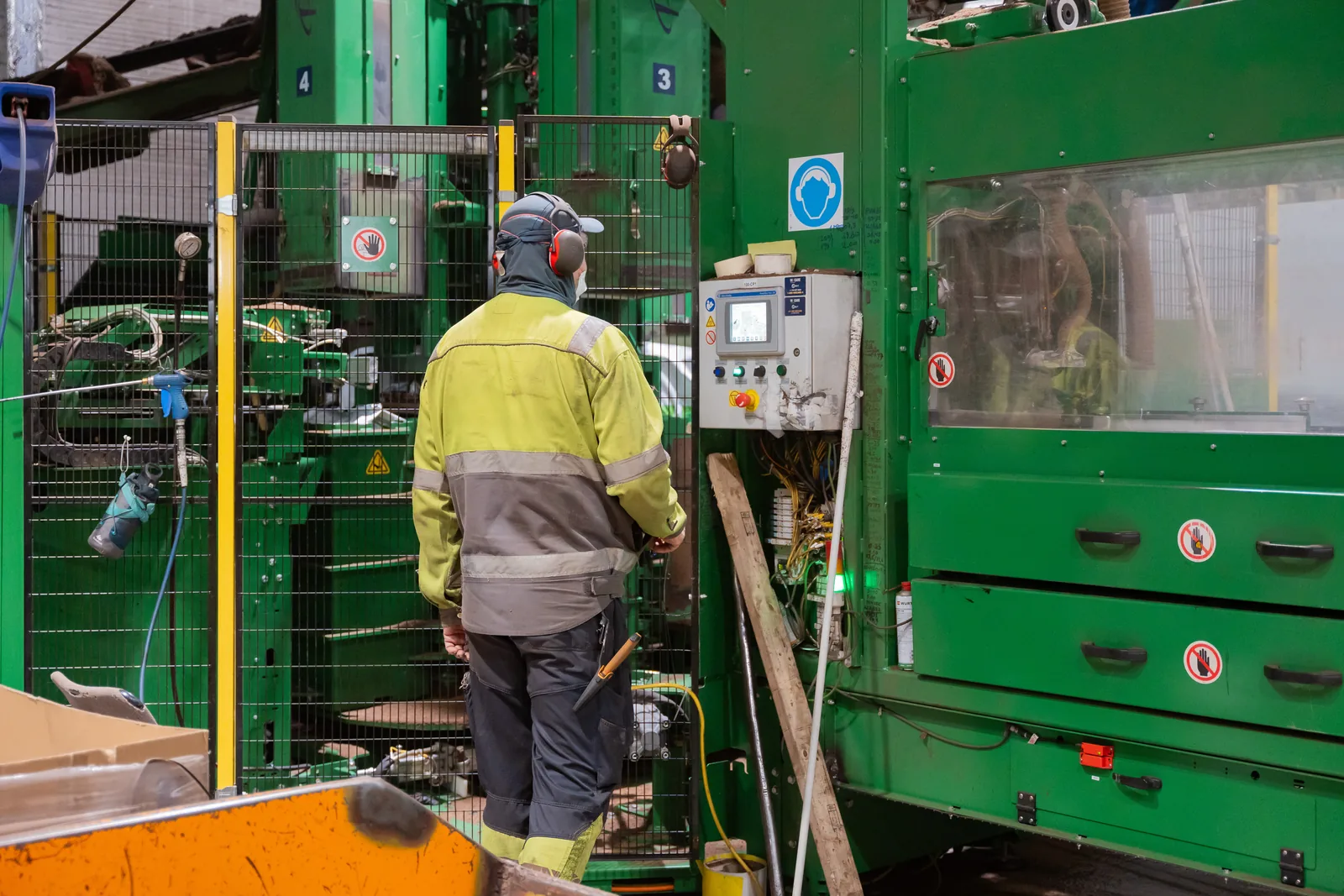
The approach is especially relevant when several teams are involved. Production teams need predictable handling. Procurement needs a clear commercial scope. Technical teams need relevant product information. Logistics teams need a realistic format, delivery window and destination plan.
Industry context:
ASB Greenworld Eesti OÜ is listed as a member of the Estonian Peat Association.
How crop use changes the answer:
A single origin can support several commercial uses, but each needs a different product conversation. Seed and propagation mixes need uniform filling and predictable moisture in small cells. Blueberry production needs acidic root-zone conditions, suitable structure and water management. Organic growing mixes need their composition and documentation to match the intended program.
Peat-based growing media from Estonia should therefore be selected by the complete crop system, not only by the country named on the offer. The same is true when comparing peat substrates from Estonia with another material or finished mix.
The useful question is therefore not, 'Is Estonian peat moss good for every crop?' It is, 'Which Estonian peat-based material or finished growing medium suits this crop, container, water and production routine?'
A practical starting point for larger programs:
A commercial discussion should begin with the intended result: a raw material for a local composition, a finished product for direct use, or a crop-specific solution. From there, the team can define the product type, physical structure, expected volume, packaging, documents, trial scope and delivery timing.
A realistic trial remains valuable before larger commitments. It should use the actual crop, container, filling process, irrigation water, fertilizer program and production period. This gives the buyer evidence about the complete system, not only a material description.
Technical details a larger buyer should request:
The Estonia raw peat range includes white peat fractions from 0-5 mm to 0-40 mm, a natural pH range of 3.5-4.2, and 200 L, 250 L and 5800 L packaging options. These are catalogued raw-peat options, not values that apply to every finished growing medium.
Before comparing offers, technical and procurement teams should request:
- the intended product type, peat fraction and physical structure;
- the relevant pH and EC target or measured result for the crop program;
- moisture condition, packaging format, storage conditions and required volume;
- applicable product documentation, analyses, certificate requirements and the intended trial method.
Customers who need independent quality evidence can download the current RHP Horticulture certificate for ASB Greenworld Eesti OÜ's Estonia production site. Product-specific analyses and specifications should be requested for the actual item and crop program.
Three avoidable handover problems:
- Comparing raw peat moss with a finished growing medium as though both include the same processing work and technical responsibility.
- Testing a product in a different tray, container, irrigation routine or fertilizer program from the one used in commercial production.
- Leaving packaging, storage, documents and delivery timing until after the crop schedule is already fixed.
For a useful trial, agree the measurement method and the practical observations in advance. Record filling behaviour, first wetting, water distribution, drainage, root development, pH and EC direction, and the management corrections required during the intended production period.
If your team is deciding between raw peat moss and a finished growing medium, contact the ASB Professional international team before commercial planning becomes urgent.
Takeaway:
Estonian peat moss is a useful origin and raw-material context for professional horticulture. Its commercial value appears when the material is specified, prepared and supplied for a defined use. For ASB Professional, the important conversation is not only where peat comes from, but how the customer will use it and what has to be proven before a larger program begins.
Recommended ASB products
These products are commonly evaluated with the strategy covered in this article.
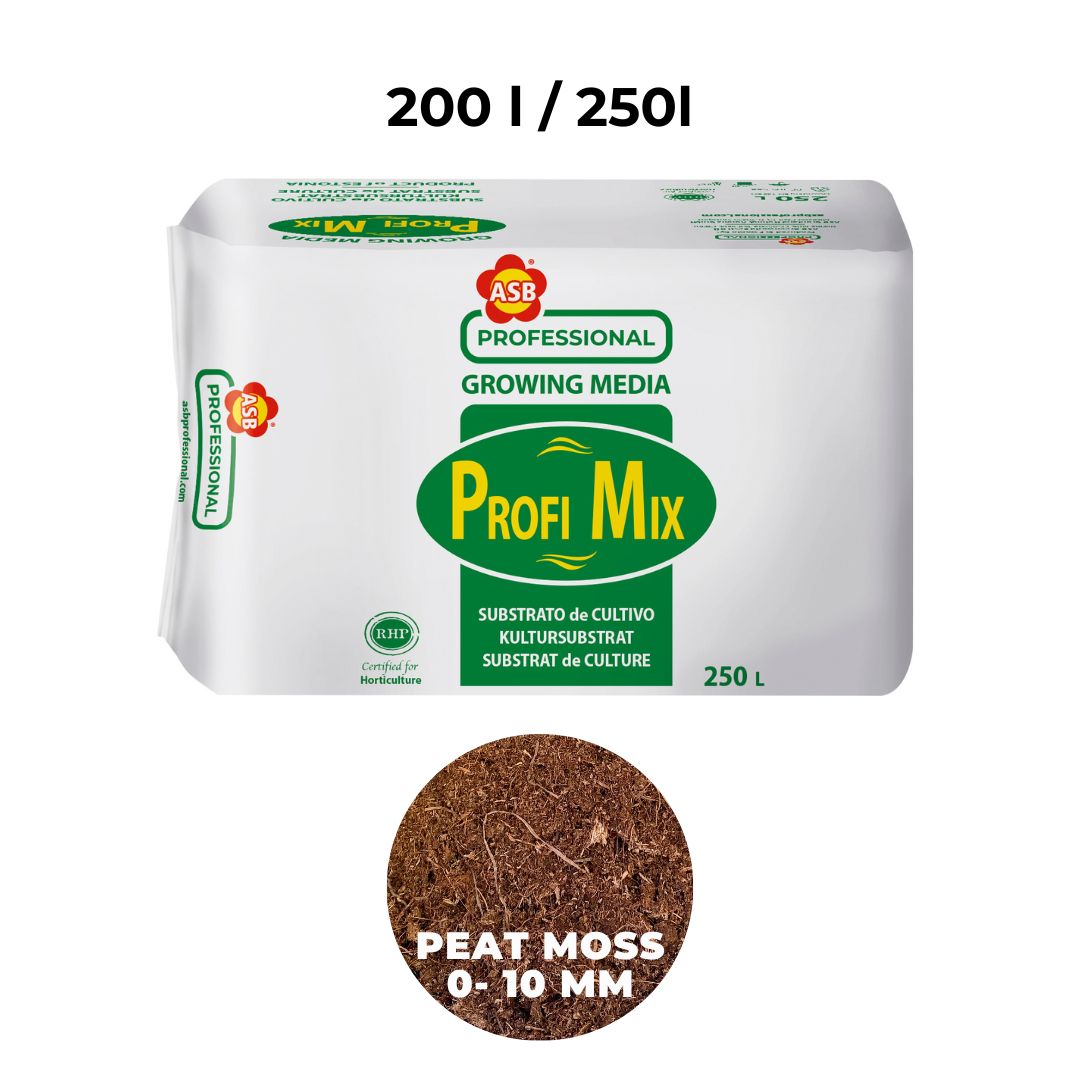
ASB Professional Substrate WP010
For substrate producers and buyers who prepare their own composition locally.
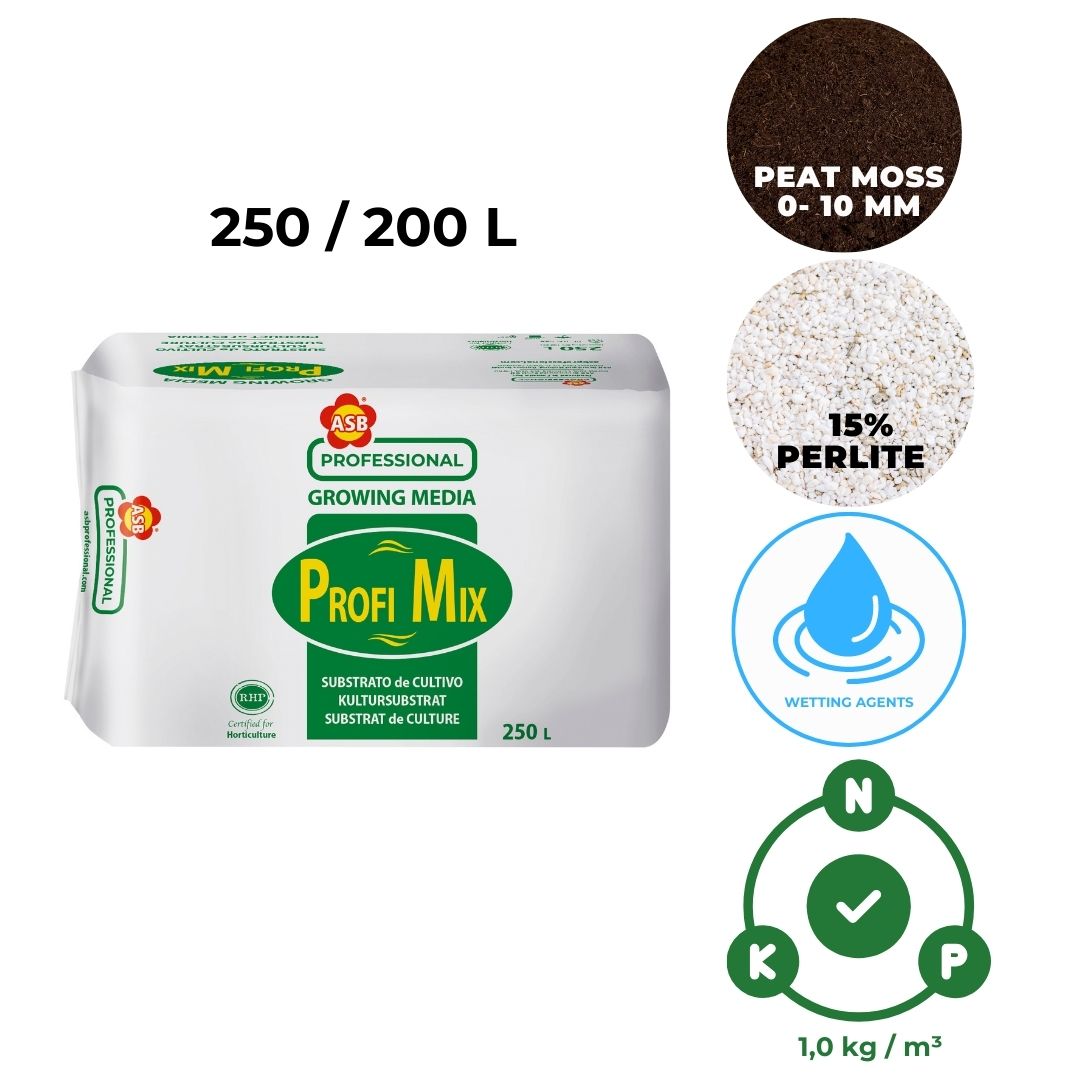
ASB Professional Substrate 0-10 Perlite
A finished product example for young plants where uniform filling and moisture management matter.
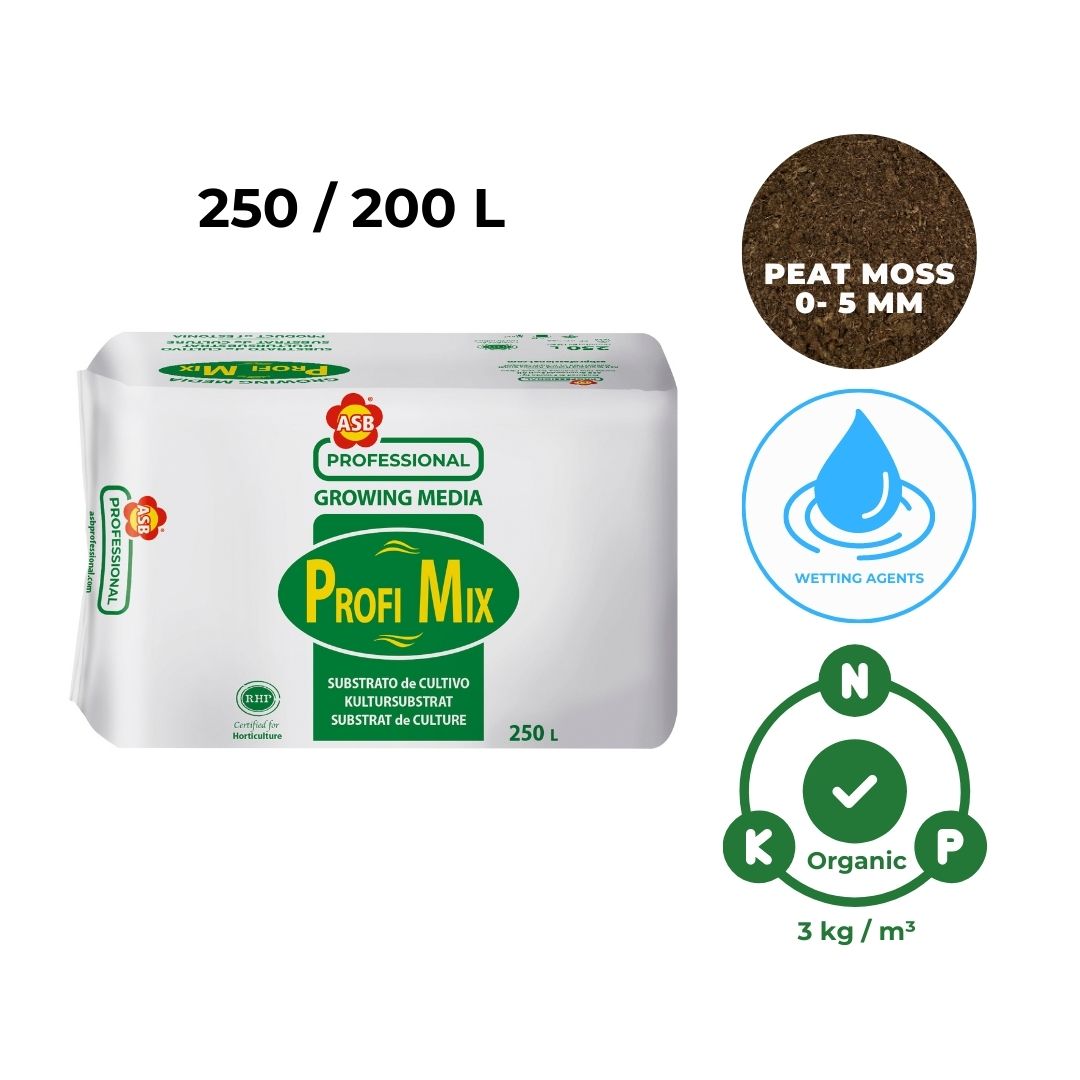
ASB Professional Substrate 05 pH
A finished growing-medium option for programs with defined organic requirements.
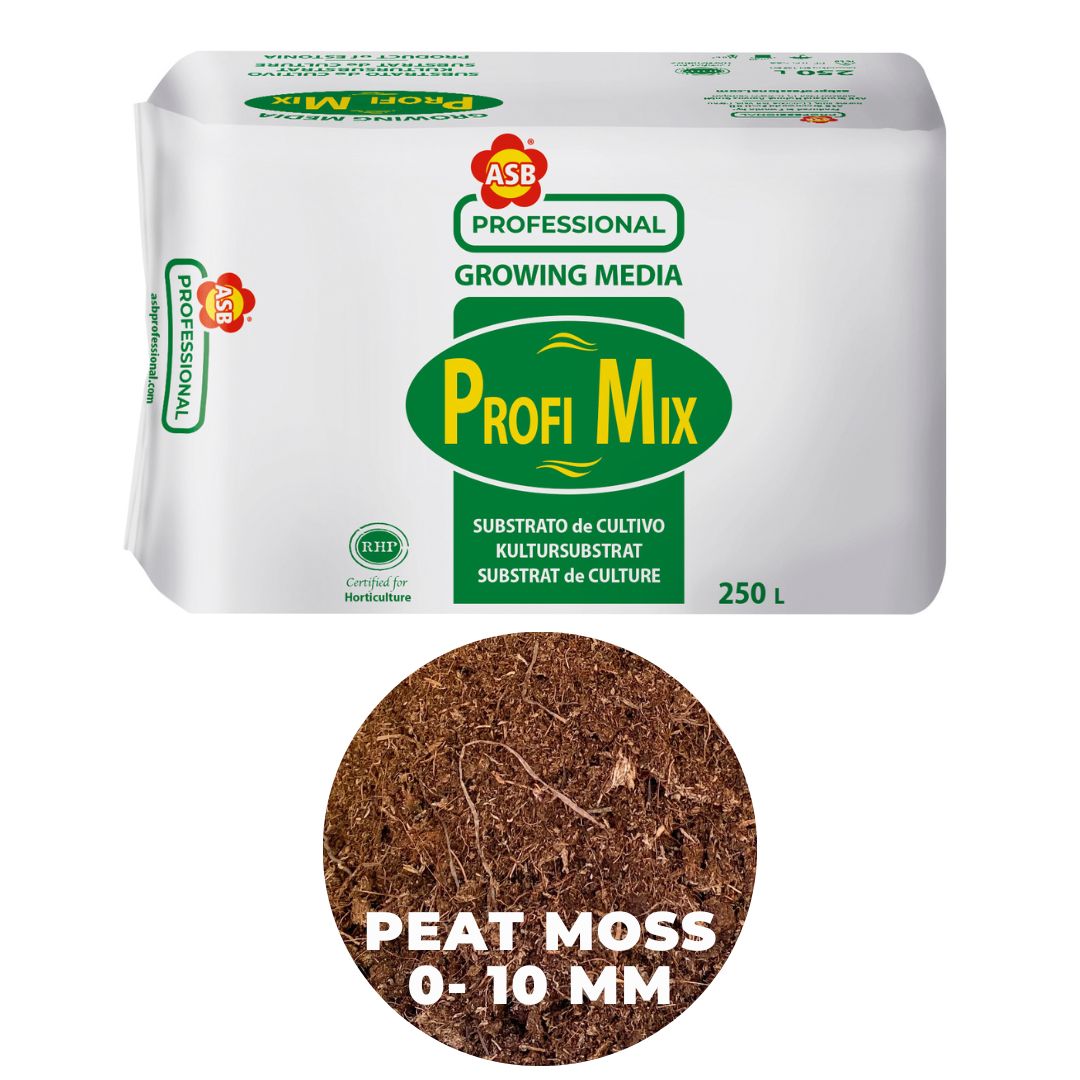
ASB Blueberry Peat Base WP010
A crop-specific example where acidic root-zone conditions, structure and water management must work together.
A commercial product decision
| Criteria | Possible requirement | What needs to be defined |
|---|---|---|
| Local formulation | Raw peat moss for a substrate producer or local blender. | Fraction, moisture condition, packaging, expected volume and the intended recipe. |
| Direct crop use | A finished growing medium for a defined crop and container system. | Crop stage, structure, composition, irrigation, pH and nutrition approach. |
| Product evidence | A material description or finished product specification. | Which documents, measurements and trial method are relevant for the actual production routine. |
| Commercial supply | An international or seasonal procurement program. | Packaging format, storage, delivery window, destination and technical contact. |
FAQ
What is Estonian peat moss used for in professional growing media?
Estonian peat moss can be used as raw material for local substrate production or as part of finished professional growing media for uses such as propagation, organic crops and blueberries. The final use depends on the specified material and product composition.
Is Estonian peat moss automatically a finished substrate?
No. Estonian peat moss identifies origin and raw-material context. A finished growing medium is prepared for a defined crop use and may include selected peat fractions, pH adjustment, fertilizer, wetting agents or other components.
Does origin alone tell a buyer whether peat will suit the crop?
No. Buyers still need to review peat structure, fraction, moisture condition, product composition, container, irrigation and intended crop. A realistic trial confirms whether the selected product works in the actual production system.
How is ASB Greenworld Eesti connected to the Estonian peat sector?
ASB Greenworld Eesti OÜ is listed as a member of the Estonian Peat Association. Membership provides sector context, but it is not a product certificate.
Can ASB Professional support a larger peat or growing-media program?
ASB Professional can discuss whether a program needs raw peat moss or a finished growing medium, together with intended use, packaging, documentation, trial requirements and delivery planning.
Need Estonian peat moss or a professional growing medium?
ASB Professional can help define whether your program needs raw peat moss for local blending or a finished growing medium for direct crop use.
This article is part of the ASB Professional Blog and highlights topics across events, sustainability, and technical growing media expertise. ASB Greenworld Eesti is listed as a member of the Estonian Peat Association (Eesti Turbaliit).
It helps customers and partners follow company developments, market activity, and product-related topics.
ASB Professional Editorial Team