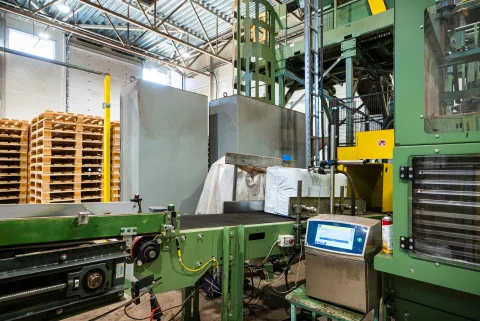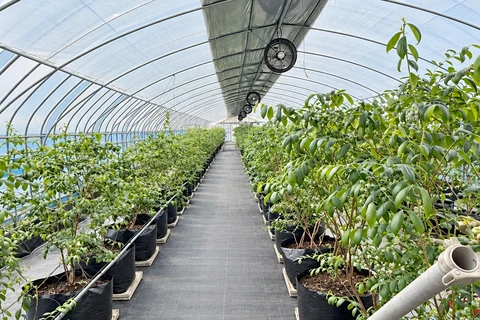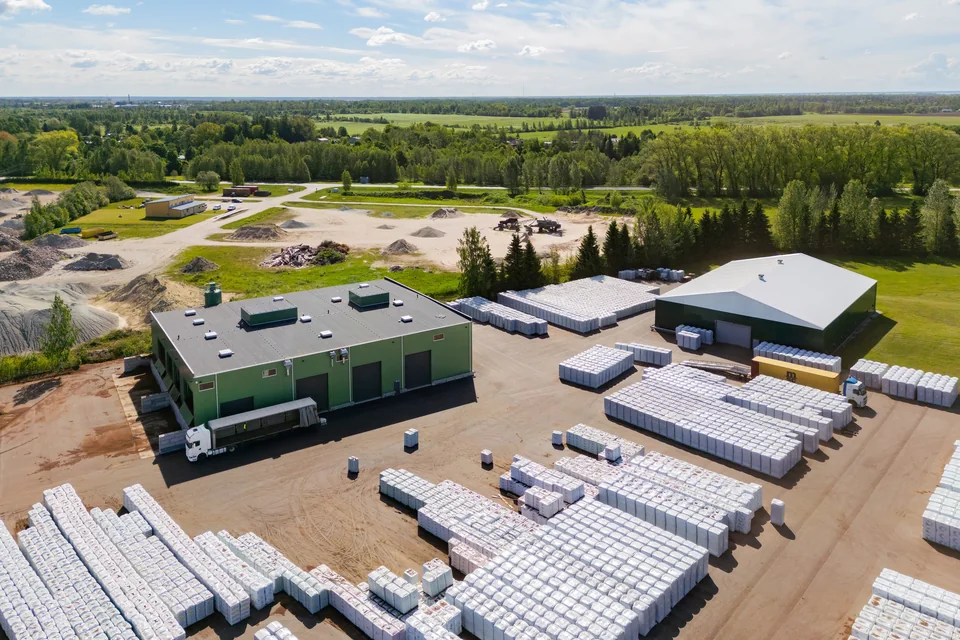
Store unused peat moss and growing media in a cool, shaded, protected area, away from soil and used substrate. Keep each product and batch identified. Check older stock before production: intact packaging alone does not show whether the material is ready to use.
- Peat-based growing media usually keep for several months when stored correctly. The longer the wait, the higher the chemical risk.
- Store unused stock in a cool, shaded, protected place, off bare soil and away from used substrate. Keep each product and batch identified.
- Fertilised and limed mixes change faster than raw peat, and mixes with slow-release fertiliser should be used soon after delivery, not stockpiled.
- Heat under oxygen-depleted conditions can reduce crop performance; frozen material must reach room temperature before processing.
- Check older stock for pH, EC and wettability before filling a production run, and keep questionable batches separate.
One delivery goes straight into production; the next waits for a later crop. Leave room to reach both. Good storage lets the team find the right mix, use older suitable stock first and catch a damaged bag before it reaches the filling line.
How long can peat moss and growing media be stored?
Most peat-based growing media can be stored for several months if kept correctly. The German horticultural industry association IVG describes normal storage as a few days to several months, and says that period is too short to harm the physical properties of the substrate. What changes is the chemistry, and the risk rises the longer the material waits.
How long a product keeps depends on what was added to the peat. Raw peat is the most stable. Fertilised and limed mixes change faster. Mixes with coated or compacted slow-release fertiliser should be used soon after delivery and not stockpiled, because heat, sun and moisture speed up nutrient release. Use the label or the supplier's recommendation for the exact product as the limit.
What changes in the bag over time
- Structure stays stable. In a 25-week trial cited by IVG, peat substrates were practically unaffected physically.
- Nitrogen shifts with heat. In a long-term trial far beyond normal storage, ammonium nitrogen in sedge peat stored at +25 °C for 24 months nitrified clearly. At +8 °C the rate was much lower.
- Phosphate can become less available in limed peat mixes stored for longer periods, which can reduce yield.
- Wetting agents break down. Once that happens, the peat behaves like untreated peat, which rewets poorly if it dries below about 45 % moisture. This matters most for sowing and seedling crops.
- Volume can fall. Microbial breakdown causes volume loss that grows with storage time.
If a mix has been stored longer than the label allows, or you do not know how it was kept, re-test pH, EC and wettability before filling a production run (see below).
Start with the product you are storing
Raw peat for local blending and a finished, fertilised growing medium need separate stock records. A raw material has a different role from a mix already prepared with lime, fertiliser and other components. Keep each product's label and supplier instructions with the stock.
Keep four facts visible: the product, delivery and batch reference, storage location and planned use. Once a bag is open, peat colour will not reliably identify the mix. Its label will.
Choose a protected place, not the nearest spare space
RHP's factsheet on packaged growing media recommends cool storage away from direct sunlight, protection from rain and extreme humidity, and avoiding temperatures above 25 °C. Follow the storage instructions supplied with the particular product.
In hot climates and during long sea transport, heat is the bigger risk. A University of Kassel study found that keeping fertilised media at 35 °C for six days or longer under oxygen-depleted conditions reduced plant fresh weight by more than 20 %. Move containers into shaded, ventilated storage as soon as they arrive, and do not leave pallets standing in the sun at the port or the nursery.
In winter, frost does not damage peat or substrate. IVG states that frozen substrates and raw materials suffer no chemical or physical harm. The problem is processing frozen material. It must return to room temperature before use, which can take weeks, so bring frozen pallets indoors early and leave space between them for air. Clear snow from covered pallets before it melts and runs through small tears in the film.
A practical layout puts unused stock in a designated area with labels visible and access for inspection. Keep handling routes clear so bags are not repeatedly dragged or struck while another pallet is being moved.
If indoor space is unavailable, agree on an outdoor arrangement before delivery. Use a clean, drained area away from weeds, plant waste and chemical handling. Keep packages off bare soil on suitable pallets or a raised platform, protect them from rain and sun, and check that runoff cannot reach the stock. Keep any covering arranged so water drains away from the packages. Inspect the film for tears before moving stored bags.
Do not place opened bags or loose substrate directly on soil. Keep new material away from used growing media and plant waste. NC State Extension specifically warns against contact between fresh potting media and outside soil, runoff, diseased plants or contaminated equipment.
Keep product identity when stock is partly used
Once a package has been opened, keep the remaining material protected and its label attached or stored alongside it. Use clean handling equipment. Do not leave a scoop resting on the greenhouse floor and then put it back into unused substrate.
Avoid tipping unidentified leftovers into a new delivery. The same-looking material may have a different composition or batch reference. Even when the product is identical, mixing deliveries makes it harder to investigate a later handling or crop problem.
IVG recommends keeping different substrates, and the same substrate from different production dates, separately identified. Its storage guidance also advises against adding fresh loose substrate on top of older stock.
Use a stock record that production can actually follow
Record the following details for each delivery.
- Product name and code.
- Batch reference and production date, where available.
- Delivery date and quantity received.
- Storage location.
- Date opened and quantity remaining.
- Intended crop or production start.
- Any damage, unusual condition or supplier advice.
Make the oldest suitable stock accessible first. Keep damaged or questionable stock separate until it has been checked. Arrival date does not override its condition.
Imagine two deliveries of the same mix, one from September and one from November. If the November pallets block the September delivery, a spreadsheet will not make the older stock easier to reach. Leave an aisle and assign that stock to a planned production run.
Check older stock before filling a whole production run
Choose a few packages from the stock being considered for use, including any that experienced different storage conditions. Check the product identity, packaging and visible condition. Open material in a clean area and assess how it loosens and accepts water using the normal preparation procedure for that product.
If older material wets unevenly, do not assume that a routine irrigation adjustment will solve it after planting. UMass Extension recommends checking wettability before use, alongside pH and electrical conductivity. These checks are especially useful when the material has been stored for an extended period or its storage history is uncertain.
If samples go to a laboratory, use a method comparable with the original analysis. The question is whether the stored material is still suitable for the planned crop.
The German substrate quality association GGS recommends substrate analysis and a pot growth test before using material stored for a longer period. Plan that check early enough to act on the result. Discovering a concern beside a running filling line leaves very little room to investigate.
What you might find in stored stock
Most of these signs come from how and where the material was kept after delivery: moisture, heat, damaged film or open bags.
| What you see | What it usually means | What to do |
|---|---|---|
| Rotten-egg or strong manure smell on opening | Anaerobic decomposition. IVG links this to moisture above 70 %, lime, fertiliser, strongly decomposed peat and high summer temperatures, mainly in foil bags and large bales | Set the batch aside and record how it was stored. Do not use it just because the smell fades |
| Material sheds water or wets in patches | Wetting agent has broken down, or the peat has dried out | Run a wettability test before filling |
| Water droplets inside the film | Condensation from temperature swings, or rain entering through damage | Check whether the mix is wetter than normal and re-check pH and EC |
| Frozen bale or solid lumps | Frost | Thaw completely to room temperature, then check that it breaks up normally |
| Torn or brittle film | Sun or handling damage | Check for contamination and wet patches, and use the stock first if it passes |
| White threads or mushrooms on the surface | Fungi growing on organic matter in moist material. Usually harmless saprophytes | Set aside, photograph and check before use |
| Fungus gnats around stored bags | Opened, moist material left uncovered | Close opened bags and clean up spilled substrate |
Whatever you find, keep that batch away from stock cleared for use. Record the batch, storage history and observations before blending the material into the rest of the consignment. ASB Professional's technical team can help assess the batch and advise on next steps.
Do not add fertiliser, lime or other amendments by guesswork to make old stock behave like fresh material. Any correction should follow a test result for that batch.
Plan the next delivery around usable storage
Before ordering, compare the production schedule with stock already on site. Allow time to assess older material. If protected space is limited, discuss delivery timing before accepting pallets with nowhere suitable to wait.
ASB Professional can plan deliveries around your production schedule, so material arrives close to when it is needed and spends less time in storage. When contacting the team, include the exact product, package format, quantity, expected holding period and storage conditions. For material already on site, add the batch reference and photographs of any concern. Those details let the team give product-specific advice quickly.
Before the first tray or pot is filled, the production team should know which material it is opening, how it has been kept and whether it is ready for use.
For keeping delivery records, see Growing Media Batch Consistency. The guide to peat moss pH and EC explains comparable laboratory methods. For the next delivery, use the bulk export-order guide.
Recommended ASB products
These products are commonly evaluated with the strategy covered in this article.
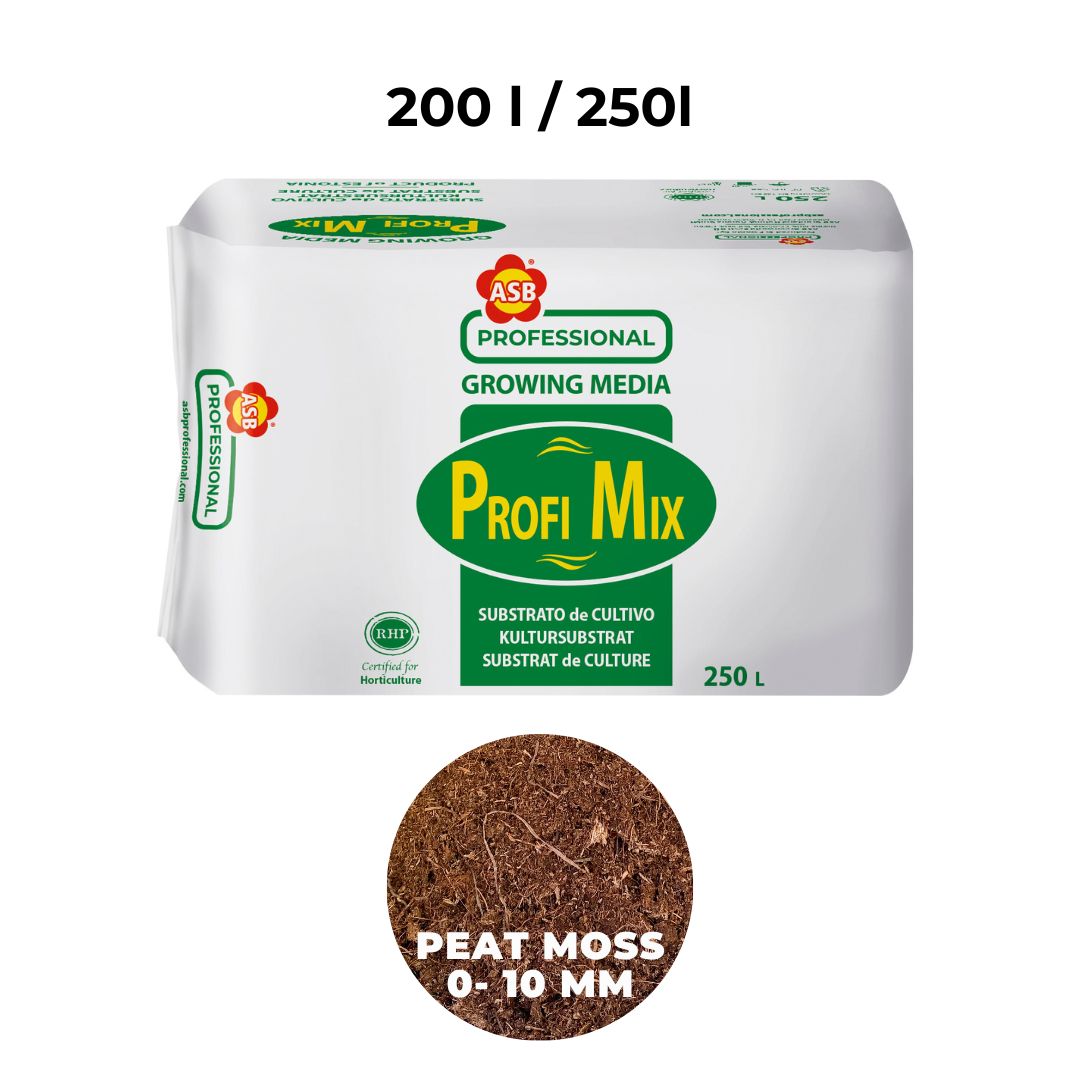
ASB Professional Substrate WP010
Raw peat is the most stable material to hold in storage, for buyers who blend their own mixes.
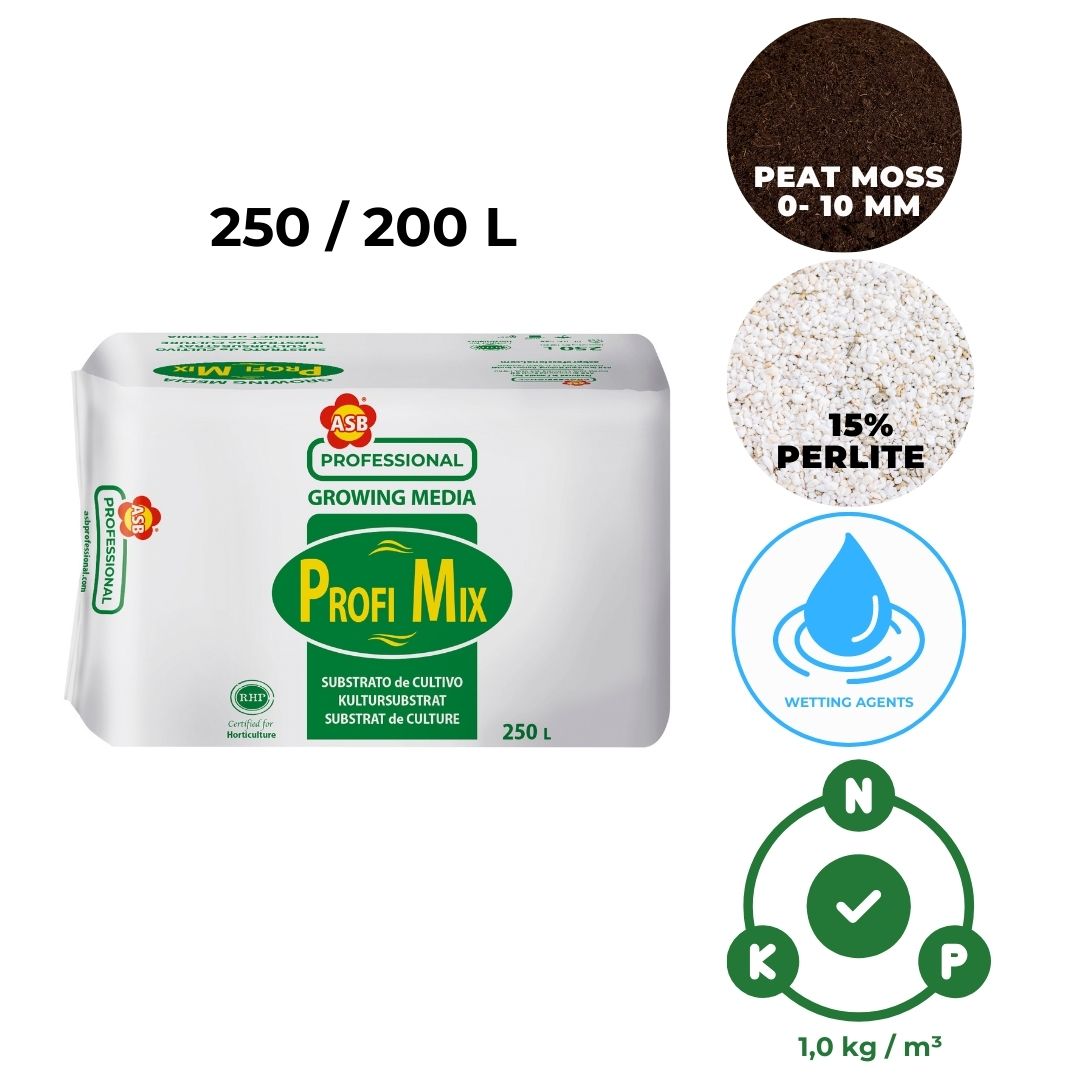
ASB Professional Substrate 0-10 Perlite
A finished mix where batch identity and a short holding time before use matter.
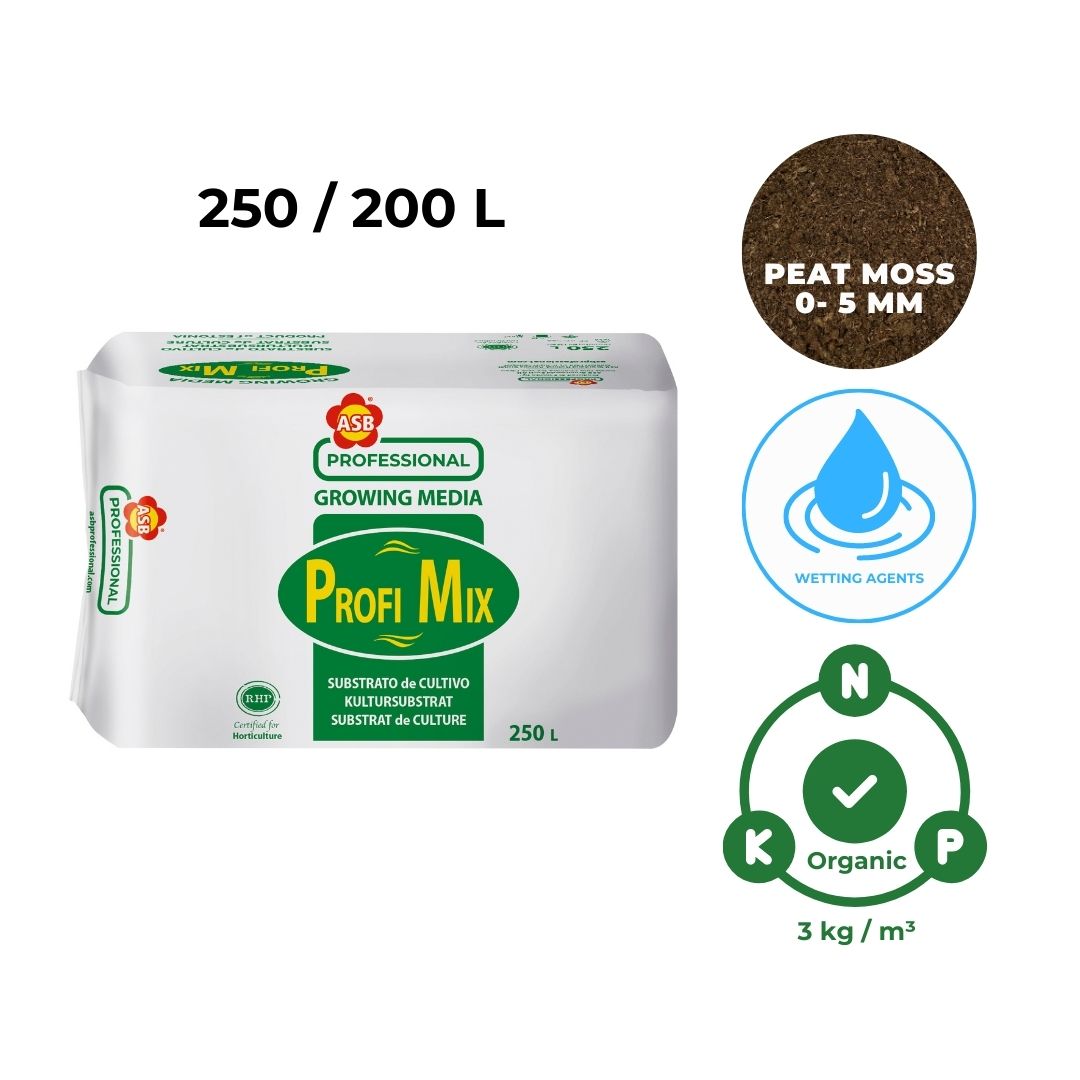
ASB Professional Substrate 05 pH
A finished mix to plan around its label, storage conditions and holding period.
FAQ
How long can peat moss be stored?
Most peat-based growing media keep for several months if stored correctly. IVG describes normal storage as a few days to several months. The safe period depends on what was added to the peat, so follow the label or supplier advice for the exact product.
Where should unused growing media be stored?
In a cool, shaded, protected place away from direct sun, rain and extreme humidity. Keep packages off bare soil, away from used substrate and plant waste, and keep each product and batch clearly labelled.
Does frost damage peat or growing media?
No. IVG states that frozen substrates and raw materials suffer no chemical or physical damage. Frozen material must return to room temperature before processing, which can take weeks.
Can I store growing media that contains slow-release fertiliser?
Not for long. Heat, sun and moisture speed up nutrient release in the bag, so mixes with coated or compacted slow-release fertiliser should be used soon after delivery, not stockpiled.
What should I check before using older stock?
Check packaging and visible condition, then test wettability, pH and electrical conductivity. If the storage history is uncertain, consider a laboratory analysis or a plant growth test before filling a whole production run.
Planning storage before your next delivery?
Share the product, package format, expected holding period and storage conditions with the ASB Professional team for product-specific advice.
ASB Professional Editorial Team